In-Home ABA Therapy for Children (Ages 6-12)
In-home Applied Behavior Analysis (ABA) therapy in Los Angeles County, CA for children ages 6–12 experiencing autism-related challenges. Evidence-based, family-centered care helps improve communication, social skills, emotional regulation, and independence at home and school.
Compassionate, family-centered support rooted in connection, acceptance, and real results.
Quick Facts
- Who it’s for: School-age children (ages 6–12) with autism or developmental challenges; families seeking support with behavior, social skills, and independence
- Conditions treated: Autism spectrum disorder, behavioral challenges, social difficulties, emotional regulation issues, executive functioning challenges, school-related stress
- Therapies & modalities: Applied Behavior Analysis (ABA), natural environment teaching, play-based and skill-based interventions, parent coaching
- Session structure: In-home sessions; typically 2–6+ hours depending on individualized treatment plan
- Care setting: Delivered in the home with integration into school-related and daily routines
- Parent involvement: High—ongoing coaching and collaboration
- Insurance & access: Insurance accepted; services available across Los Angeles County
Welcome to Different
A Boutique ABA Therapy Experience Designed Around Your Child
Finding the right support for your child can feel overwhelming. Many therapy programs feel rigid, impersonal, or designed to fit a system rather than the child in front of them.
At A Team ABA, we specialize in in-home ABA therapy for children ages 6–12, offering personalized, relationship-driven support designed around your child’s unique strengths and needs.
Our goal isn’t to change who your child is.
Our goal is to help them build confidence, communication skills, and independence while honoring their personality, interests, and natural strengths.
Insurance accepted.
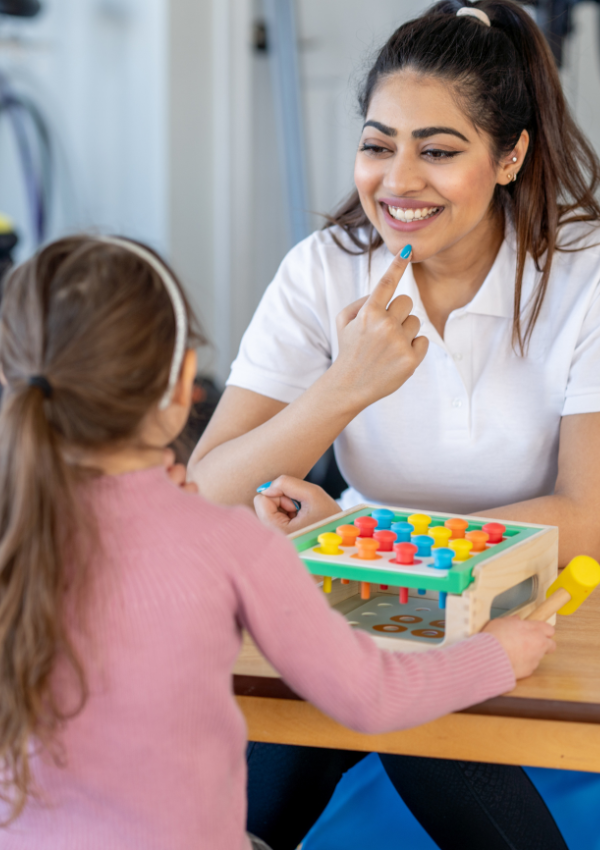
At A Team ABA, we meet families where life actually happens, in your home, within your routines, and inside the real challenges your family is experiencing.
Why Families Reach Out for ABA Support
For many families, the school-age years bring challenges that can feel difficult to navigate alone.
As expectations grow at school and in social environments, some children begin to struggle with communication, emotional regulation, routines, or peer relationships.
You might be noticing:
-
Difficulty communicating needs or frustrations
-
Frequent meltdowns or emotional outbursts
-
Challenges with transitions, routines, or flexibility
-
Struggles with peer relationships or social interaction
-
Difficulty managing frustration, sensory overwhelm, or anxiety
-
Stress around school expectations or independence
Many parents describe feeling like they’re constantly trying to figure out what works, searching for ways to create calmer routines and help their child succeed at home and at school.
You shouldn’t have to navigate this alone.
In-Home ABA Therapy Designed for Real Life
All services are provided in your home, allowing therapy to take place in the environments where your child naturally learns and interacts.

Homework and school preparation

Playtime and social interaction

Transitions and problem-solving

Family routines and daily responsibilities
years of ABA agency experience
ABA Therapy That Meets Kids Where They Are
The school-age years are a time of tremendous learning and development. Children are building friendships, navigating school environments, and developing the emotional and social skills that shape their confidence.
For children on the autism spectrum, these experiences can sometimes feel confusing, overwhelming, or frustrating.
Our therapy focuses on helping children build practical skills that support everyday life, including:
Communicating thoughts, needs, and emotions
Building friendships and interacting with peers
Problem-solving in social situations
Managing stress, frustration, and sensory experiences
Building confidence and self-expression
Developing independence with daily tasks
Strengthening focus, routines, and executive functioning skills
Our Approach: ABA for Kids (Ages 6-12)
Personalized, Family-Centered, and Rooted in Strength
Applied Behavior Analysis (ABA) is considered one of the most effective supports for school-age children on the autism spectrum. According to the CDC, ABA interventions can improve communication, social skills, and behavior management, supporting long-term success (CDC, 2024)
At A Team ABA, we integrate ABA principles with compassion, relationship-building, and trauma-informed care.
We focus on helping your child build skills such as:
-
Communication and language development
-
Social interaction and peer engagement
-
Flexibility and tolerance for change
-
Emotional regulation and coping strategies
-
Self-help and daily living skills
-
Safety awareness
And we support parents by offering guidance in:
-
Understanding your child’s unique needs
-
Reducing daily stressors at home and school
-
Building confidence in your parenting approach
What is Applied Behavior Analysis (ABA) therapy for children ages 6–12?
Applied Behavior Analysis (ABA) therapy is an evidence-based approach that helps school-age children build communication, social, and behavioral skills through structured, individualized strategies. It focuses on reinforcing positive behaviors while helping children navigate challenges at home, school, and in peer relationships.
ABA supports growing independence and confidence during a critical stage of development.
How does in-home ABA therapy help children with autism at this age?
In-home ABA therapy allows children to practice skills during real-life activities like homework, routines, and social interactions. This setting supports the development of communication, emotional regulation, and problem-solving in meaningful, everyday situations.
Because therapy occurs in familiar environments, skills are more likely to generalize across home and school settings.
Can ABA therapy be used alongside school and other therapies?
Yes, ABA therapy is often integrated with school supports, speech therapy, and occupational therapy. This collaborative approach ensures consistency across environments and strengthens overall skill development.
Working with multiple providers helps create a cohesive plan that supports your child’s success in all areas of life.
We believe meaningful progress happens when children feel safe, understood, and supported, not pressured or misunderstood.
How In-Home ABA Therapy Works
- Intake & Family Consultation
We gather information about your child’s strengths, challenges, school experiences, and family goals - Assessment & Treatment Plan
A comprehensive assessment is completed to design a personalized ABA plan - In-Home Therapy Sessions
Therapy is delivered during real-life routines such as homework, transitions, and social situations - Parent Coaching & Integration
Parents receive tools and strategies to reinforce skills consistently at home - Ongoing Evaluation & Adjustments
Progress is tracked and treatment plans are updated as your child grows and develops
Frequently Asked Questions
Is ABA therapy effective for children ages 6–12?
Yes, ABA therapy is highly effective for school-age children. It helps improve communication, social skills, emotional regulation, and independence, especially as children face increased academic and social expectations.
How many hours of therapy will my child need?
The number of therapy hours depends on your child’s individual needs and goals. Some children benefit from a few hours per week, while others may require more structured or intensive support.
Can ABA therapy help with school-related challenges?
Yes, ABA therapy can target skills such as focus, transitions, task completion, and managing frustration, all of which support success in school environments.
Is in-home ABA therapy appropriate for older children?
Absolutely. In-home therapy allows children to build practical, real-world skills that support independence, problem-solving, and daily functioning.
Do you offer telehealth services?
ABA therapy is most effective in person, especially for skill-building and behavior support. However, parent coaching or consultations may be available via telehealth when appropriate.
What challenges does ABA therapy address?
ABA therapy supports communication difficulties, social challenges, behavioral concerns, emotional regulation, executive functioning, and independence with daily tasks.
Evidence & Sources
- Applied Behavior Analysis (ABA) is widely recognized as an evidence-based treatment for autism spectrum disorder
- Research supports ABA in improving communication, adaptive functioning, social skills, and behavior outcomes in school-age children
Sources:
- American Psychological Association – Evidence-Based Practice in Behavioral Therapy
- National Institutes of Health – Autism Treatment Research
- Centers for Disease Control and Prevention – Autism Spectrum Disorder Treatment Guidelines
The A Team ABA, Inc.
25000 W Avenue Stanford Suite 204
Valencia, CA 91355
Phone (888) 997-1175
Email info@theateamaba.com